 Send Inquiry
 +817026632377
 English
 Spanish
 French
 German
 Italian
 Chinese (Simplified)
 Japanese
 Korean
 Arabic
 Portuguese


 Send Inquiry
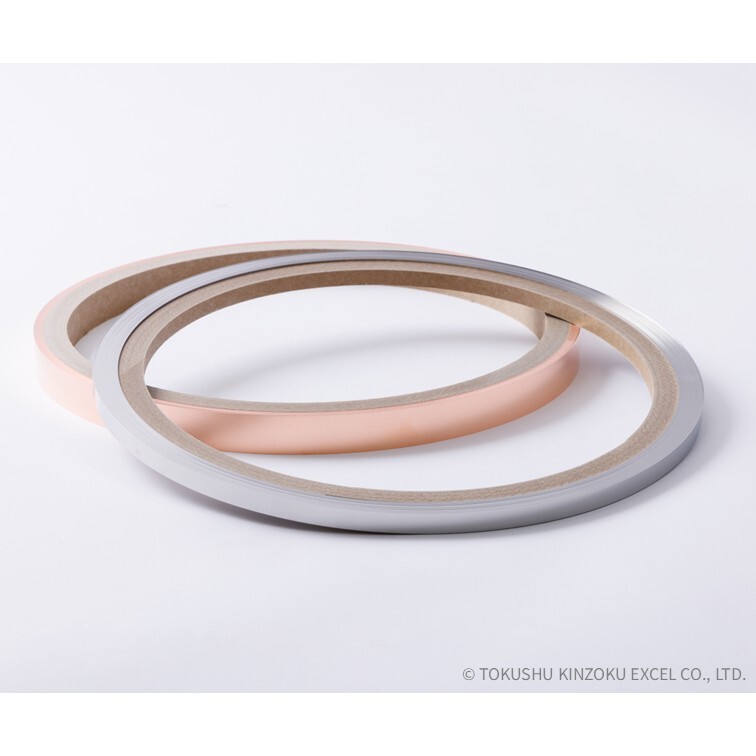
ZERANIN 30 | Electrical Resistance alloy
MOQ : 100 Kilograms
ZERANIN 30 | Electrical Resistance alloy Specification
- Thickness
- 0.040 - 3.0 Millimeter (mm)
- Temper
- Annealed, Skin Passed, As Rolled (Hard)
- Application
- Resistors, Temperature Sensors, Fuses
- Surface
- Bright, Dull
- Width
- Over t0.5: w3.0-70 / Under t0.5: w3.0-240 Millimeter (mm)
- Shape
- Coil, Sheet, (Wire, Bar)
- Grade
- ZERANIN 30
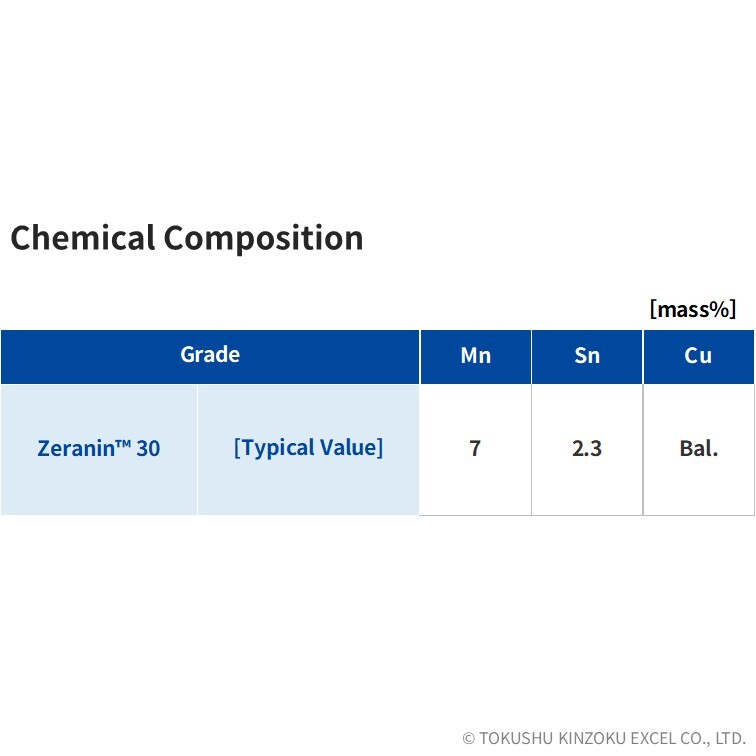
- Chemical Composition
- Refer to the image
ZERANIN 30 | Electrical Resistance alloy Trade Information
- Minimum Order Quantity
- 100 Kilograms
- Packaging Details
- Our Standard Packing for Export
ZERANIN 30 | Electrical Resistance alloy About
| Grade | ZERANIN(R) 30 *ZERANIN(R) is a registered trademark of Isabellenhutte Heusler GmbH Co. |
| Reference Standards (for reference only) | DIN CuMn7Sn |
| Shape | Coil, Sheet, (Wire, Bar) |
| Thickness | 0.040 - 3.0mm(Strip, Sheet) |
| Width | Over t0.5mm:w3.0-70mm Under t0.5mm: w3.0-240mm(Strip, Sheet) |
| Length | Strip or Sheet(Length less than 2,000mm) |
| Technique | Cold Rolled |
| Temper | Annealed, Skin passed, As Rolled(Hard) |
| Surface | Bright, Dull |
| Application | Resistors, Temperature Sensors, Fuses |
| Coil I.D. | 300, 400, 500mm |
| Chemical Composition | Refer to the image |
| Density | 8.5 g/cm3 |
| Volume Resistivity | 0.29 micro-ohm meterm |
| Temperature Coefficient of Resistance | +/-10 ppm/K (20-60oC) |
| Magnetism | Non-magnetism |
| Minimum Order Quantity | 100 Kilograms |
| Country of Origin | Japan, China |
| Payment Terms | Telegraphic Transfer (T/T) |
| Delivery Terms | EXW, FOB, CIF, DAP etc. |
| Packaging Details | Our Standard Packing for Export |
| Main Export Market(s) | Asia, Middle East, North America, South America, Europe etc. |
ZERANIN 30 Description :
Zeranin is a low resistance alloy, suitable for high current sensing resistors, and has good workability and weldability.
*ZERANIN(R) is a registered trademark of Isabellenhutte Heusler GmbH Co.
FAQ's of ZERANINA 30 | Electrical Resistance alloy:
Q: How is ZERANIN 30 typically used in industry?
A: ZERANIN 30 is primarily used in the production of electrical components such as resistors, temperature sensors, and fuses. Its stable resistance and mechanical strength make it suitable for contexts where accurate and reliable electrical properties are critical.Q: What forms and dimensions does ZERANIN 30 come in?
A: ZERANIN 30 is supplied in coils, sheets, wires, and bars. The alloy is available in thicknesses from 0.040 mm to 3.0 mm, with width options based on thickness-ranging from 3.0 to 70 mm and up to 240 mm for thinner strips and sheets.Q: Where is ZERANIN 30 manufactured and exported from?
A: This alloy is manufactured, supplied, and exported from Japan by specialized producers known for their quality control and adherence to precise specifications.Q: What surface finishes and tempers are offered for ZERANIN 30?
A: ZERANIN 30 is available in bright and dull surface finishes. Temper options include annealed, skin passed, and as rolled (hard), allowing users to select the most suitable type for their process needs.Q: How should ZERANIN 30 be processed for resistor or sensor manufacturing?
A: The processing typically involves selecting the appropriate form, thickness, and temper, followed by precise cutting or shaping according to the required dimensions. Adhering to recommended fabrication guidelines ensures optimal performance in the final application.Q: What are the main benefits of choosing ZERANIN 30 for electrical applications?
A: The main advantages of ZERANIN 30 include its stable resistance, versatility in dimensions and surface finishes, and its proven reliability in demanding electrical environments. This makes it a preferred choice for precision electronics manufacturing.
Tell us about your requirement

Price:
Quantity
Select Unit
- 50
- 100
- 200
- 250
- 500
- 1000+
Additional detail
Mobile number
Email

More Products in Electrical Resistance Alloys Category
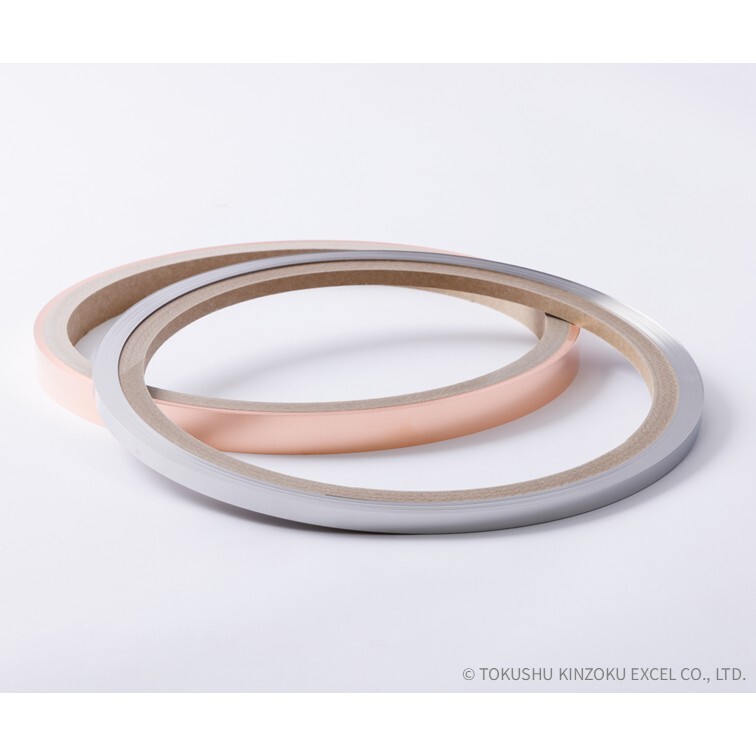
CN49 | Electrical Resistance alloy
Minimum Order Quantity : 100 Kilograms
Temper : Annealed, Skin Passed, As Rolled (Hard)
Thickness : 0.040 1.8 Millimeter (mm)
Grade : CN49
Chemical Composition : Refer to the image
Shape : Coil, Sheet, (Wire, Bar)
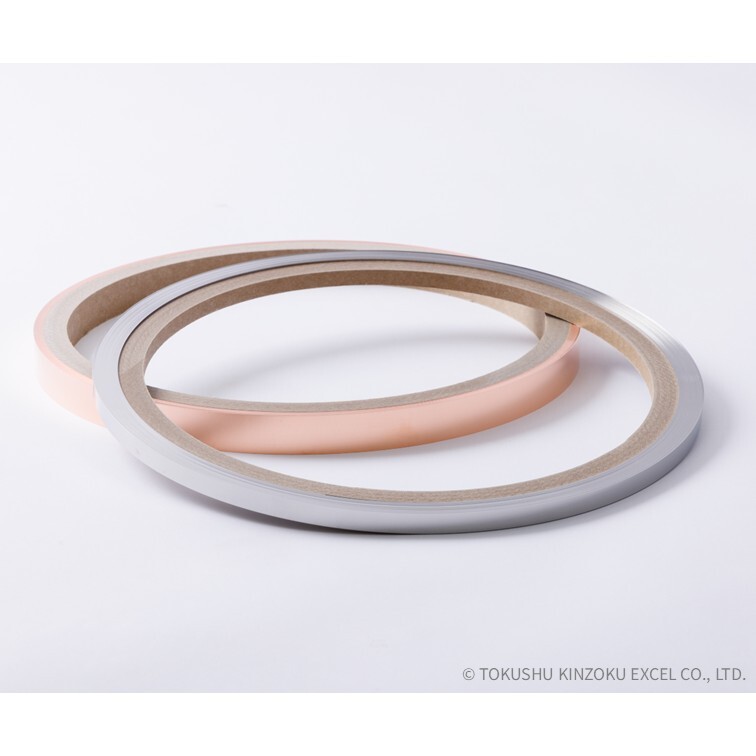
NCH-1 | Electrical Resistance alloy
Minimum Order Quantity : 100 Kilograms
Temper : Annealed, Skin Passed, As Rolled (Hard)
Thickness : 0.040 1.8 Millimeter (mm)
Grade : NCH1 (GNC108R)
Chemical Composition : Refer to the image
Shape : Coil, Sheet, (Wire, Bar)
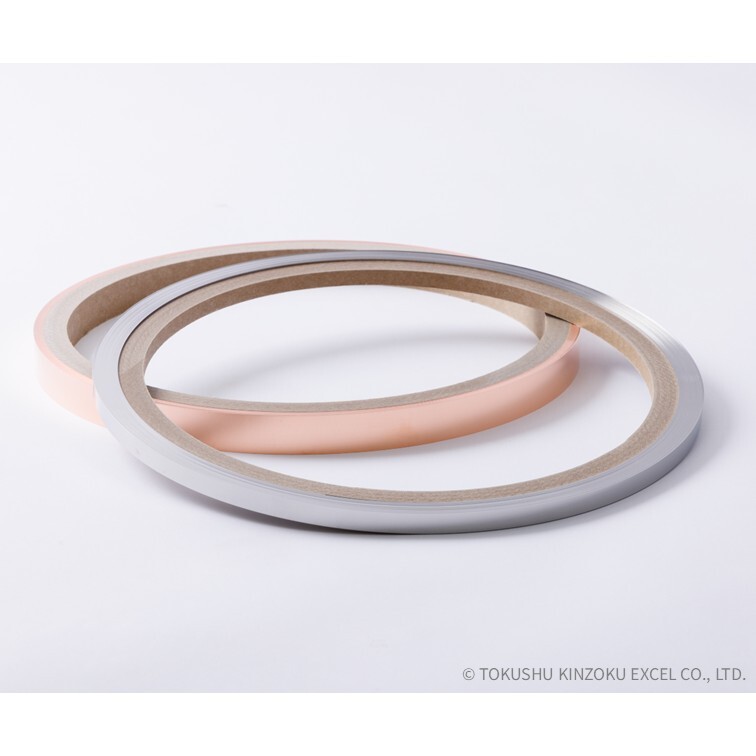
TJR-1 | Electrical Resistance alloy
Minimum Order Quantity : 100 Kilograms
Temper : Annealed, Skin Passed, As Rolled (Hard)
Thickness : 0.030 1.2 Millimeter (mm)
Grade : TJR1
Chemical Composition : Refer to the image
Shape : Coil, Sheet
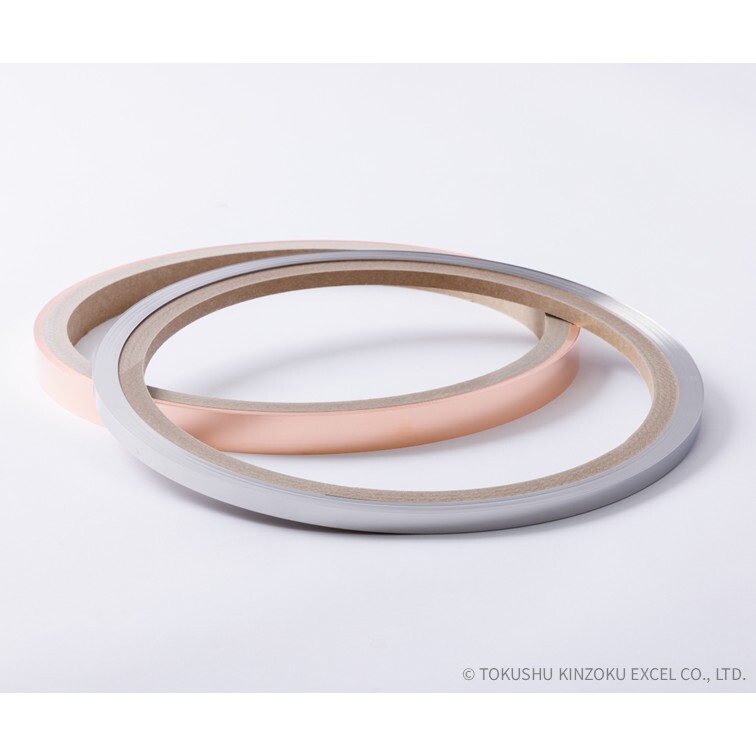
EVANOHM R - DIN NiCr20AlSi(2.4872) | Electrical Resistance alloy
Minimum Order Quantity : 100 Kilograms
Temper : Annealed, Skin Passed, As Rolled (Hard)
Thickness : 0.040 1.25 Millimeter (mm)
Grade : EVANOHM R
Chemical Composition : Refer to the image
Shape : Coil, Sheet, (Wire)

TOKUSHU KINZOKU EXCEL CO., LTD.
Contact Details
- 6F Mejiro Hakubutsukan Bldg., 1-4-25 Mejiro, Toshima-ku,Tokyo - 1710031, Japan
- Phone : +81-3-69129232
- Mr Takao Sueyoshi (Manager)
- Mobile : +817026632377, +817014150872
- Send Inquiry

 Send Inquiry
 |
TOKUSHU KINZOKU EXCEL CO., LTD.
All Rights Reserved.(Terms of Use) Developed and Managed by Infocom Network Private Limited. |
