 Send Inquiry
 +817026632377
 English
 Spanish
 French
 German
 Italian
 Chinese (Simplified)
 Japanese
 Korean
 Arabic
 Portuguese


 Send Inquiry
SUS304L - UNS S30403 | High Corrosion Resistant Stainless Steels
MOQ : 100 Kilograms
SUS304L - UNS S30403 | High Corrosion Resistant Stainless Steels Specification
- Temper
- BA (Bright Annealed), 2B (Skin Passed), As Rolled (Hard)
- Chemical Composition
- Refer to the image
- Width
- 3.0 to 300 Millimeter (mm)
- Grade
- SUS304L
- Thickness
- 0.010 to 0.80 Millimeter (mm)
- Surface
- Bright, Dull
- Application
- Other
- Shape
- Coil, Sheet
SUS304L - UNS S30403 | High Corrosion Resistant Stainless Steels Trade Information
- Minimum Order Quantity
- 100 Kilograms
- Payment Terms
- Telegraphic Transfer (T/T)
- Packaging Details
- Our Standard Packing for Export
- Main Export Market(s)
- North America, South America, Eastern Europe, Western Europe, Asia, Middle East
SUS304L - UNS S30403 | High Corrosion Resistant Stainless Steels About
""| Grade | SUS304L |
| Reference Standards (for reference only) | JIS SUS304L (G4305) UNS S30403 AISI 304L EN / ISO 1.4306 / 4306-304-03-I, X2CrNi19-11 1.4350 / 4650-304-75-E, X2CrNiCu19-10 1.4607 / 4307-304-03-I, X2CrNi18-9 GB S30403, 022Cr19Ni10 |
| Shapes | Coil, Sheet |
| Thickness | 0.010 to 0.80mm (Strip, Sheet) |
| Width | 3.0 to 300mm (Strip, Sheet) |
| Length | Strip or Sheet (Length less than 2,000mm) |
| Technique | Cold Rolled |
| Temper | BA(Bright Annealed), 2B(Skin passed), As Rolled(Hard) |
| Surface Finish | Bright, Dull |
| Examples of Applications | Diaphragmss, Bellows, Springs |
| Coil I.D. | 300, 400, 500mm |
| Chemical Composition | Refer to the image |
| Mechanical Properties | Refer to the image |
| Density | 7.90 g/cm3 |
| Specific Heat | 502 J/(kg K) |
| Electrical Resistivity | 72 micro-ohm meter |
| Young's Modulus | 193 GPa |
| Thermal Expansion | 17.3 x 10⁻⁶/K (0-100oC) |
| Thermal Conductivity | 16.3 W/(m K) |
| Melting Range | 1380-1420 oC |
| Magnetism | It is non-magnetic in the solution heat-treated state, but becomes weakly magnetic when processed. |
| Minimum Order Quantity | 100 Kilograms |
| Country of Origin | Japan, China, Taiwan |
| Payment Terms | Telegraphic Transfer (T/T) |
| Delivery Terms | EXW, FOB, CIF, DAP etc. |
| Packing | Our Standard Packing for Export |
| Export Markets | Asia, Middle East, North America, South America, Europe etc. |
SUS304L Description :
SUS304L is the extra low carbon of typical austenitic stainless steel SUS304.
It has a lower carbon content than SUS304 and has particularly excellent intergranular corrosion resistance.
It is also suitable for deep drawing due to its low hardness in the annealed finish and low work hardening.
*The "L" in SUS304L stands for low carbon.
- Excellent Intergranular Corrosion Resistance
The low carbon content significantly reduces the risk of carbide precipitation and sensitization after welding. - Outstanding Formability
Low hardness and reduced work hardening allow deep drawing, bending, and complex forming processes with minimal risk of cracking. - Good General Corrosion Resistance
Maintains the excellent corrosion resistance associated with the SUS304 stainless steel family. - Excellent Weldability
Suitable for welded assemblies without requiring post-weld heat treatment in many applications. - Suitable for Precision Components
Frequently selected for diaphragms, bellows, springs, and other components requiring both corrosion resistance and formability. - Non-Magnetic in Annealed Condition
Remains non-magnetic when solution annealed but may develop slight magnetism after cold working.
Outstanding Corrosion Resistance
SUS304L stainless steel offers remarkable protection against corrosion, particularly in aggressive environments. Its low carbon composition significantly reduces the chances of intergranular corrosion, ensuring reliable performance over time in chemical processing plants and other harsh settings.
Versatile Forms and Finishes
Choose from several surface finishes, including bright, dull, BA, 2B, and as-rolled hard options. Whether you require the softness of annealed material or the strength of hard-rolled coils and sheets, SUS304L adapts to suit a multitude of manufacturing processes.
FAQ's of SUS304L - UNS S30403 | High Corrosion Resistant Stainless Steels:
Q: What are the main benefits of using SUS304L stainless steel in industrial applications?
A: SUS304L is valued for its high corrosion resistance, excellent weldability, and ability to maintain structural integrity in harsh conditions. Its low carbon content helps avoid carbide precipitation during welding, making it ideal for chemical, processing, and food industries.Q: How is SUS304L stainless steel typically processed before reaching the end user?
A: The steel can undergo various processes such as bright annealing (BA) for a shiny surface, skin pass for extra smoothness (2B), or be supplied in as-rolled hard condition. Sheets and coils are cut to specified thicknesses (0.010-0.80 mm) and widths (3.0-300 mm) to meet diverse industrial needs.Q: When should SUS304L be preferred over other stainless steel grades?
A: SUS304L should be chosen when high corrosion resistance is essential, especially if welding is involved. The lower carbon content helps minimize the risk of intergranular corrosion compared to standard 304, making it suitable for welded structures exposed to aggressive environments.Q: Where is SUS304L typically used?
A: Industries such as chemical processing, pharmaceuticals, food and beverage production, and construction commonly utilize SUS304L due to its durability and resistance to harsh chemicals and high temperatures.Q: What shapes and sizes are available for SUS304L stainless steel supplied from Japan?
A: SUS304L is available in coil and sheet form, with thicknesses ranging from 0.010 to 0.80 mm and widths from 3.0 to 300 mm, offered in several surface finishes to cater to specific application requirements.Q: Can you explain the usage and benefit of different surface finishes like BA and 2B for SUS304L?
A: Bright Annealed (BA) provides a highly reflective, smooth surface, ideal for decorative or food-grade applications. The 2B finish is matte with excellent ductility, suitable for further forming or fabrication. These options allow users to match the surface to their technical and aesthetic needs.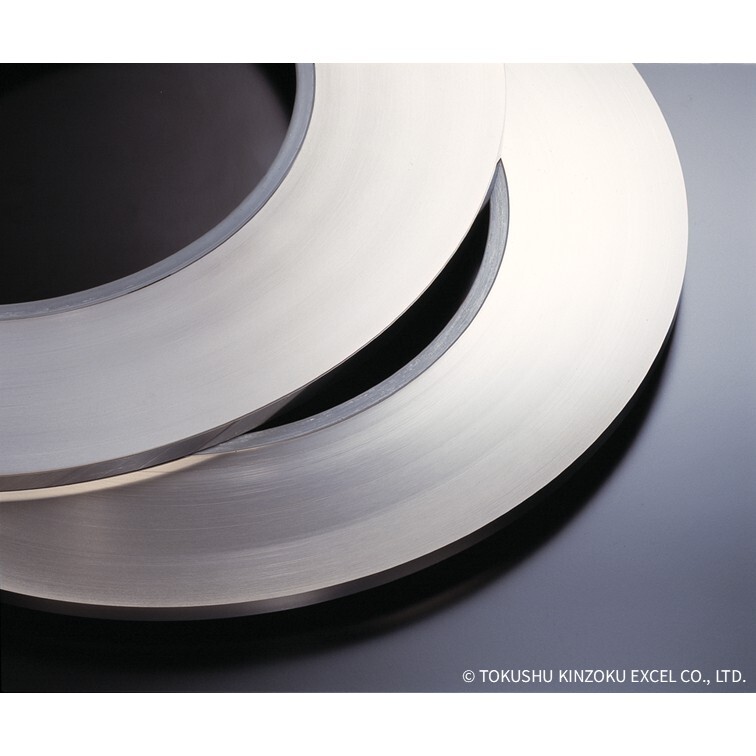
Tell us about your requirement

Price:
Quantity
Select Unit
- 50
- 100
- 200
- 250
- 500
- 1000+
Additional detail
Mobile number
Email

More Products in High Corrosion Resistant Stainless Steels Category
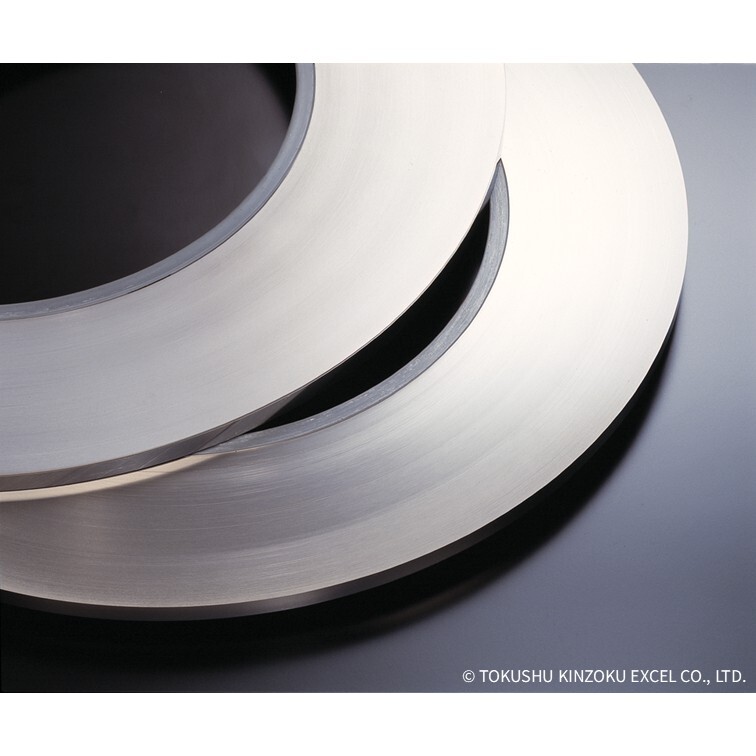
SUS316 - UNS S31600 | High Corrosion Resistant Stainless Steels
Minimum Order Quantity : 100 Kilograms
Temper : BA (Bright Annealed), 2B (Skin Passed), As Rolled (Hard)
Chemical Composition : Refer to the image
Surface : Bright, Dull
Thickness : 0.010 to 3.0 Millimeter (mm)
Shape : Coil, Sheet, Bar
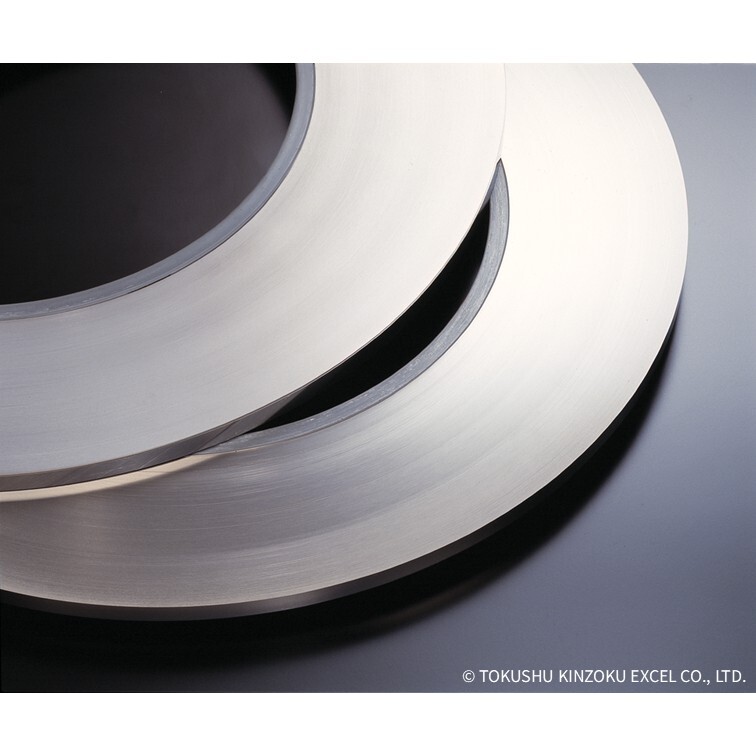
SUS316L - UNS S31603 High Corrosion Resistant Stainless Steels
Minimum Order Quantity : 100 Kilograms
Temper : BA (Bright Annealed), 2B (Skin Passed), As Rolled (Hard)
Chemical Composition : Refer to the image
Surface : Bright, Dull
Thickness : 0.010 to 2.0 Millimeter (mm)
Shape : Coil, Sheet, Wire, Bar, Pipe

TOKUSHU KINZOKU EXCEL CO., LTD.
Contact Details
- 6F Mejiro Hakubutsukan Bldg., 1-4-25 Mejiro, Toshima-ku,Tokyo - 1710031, Japan
- Phone : +81-3-69129232
- Mr Takao Sueyoshi (Manager)
- Mobile : +817026632377, +817014150872
- Send Inquiry

 Send Inquiry
 |
TOKUSHU KINZOKU EXCEL CO., LTD.
All Rights Reserved.(Terms of Use) Developed and Managed by Infocom Network Private Limited. |
