 Send Inquiry
 +817026632377
 English
 Spanish
 French
 German
 Italian
 Chinese (Simplified)
 Japanese
 Korean
 Arabic
 Portuguese


 Send Inquiry
SUS316 - UNS S31600 | High Corrosion Resistant Stainless Steels
MOQ : 100 Kilograms
SUS316 - UNS S31600 | High Corrosion Resistant Stainless Steels Specification
- Temper
- BA (Bright Annealed), 2B (Skin Passed), As Rolled (Hard)
- Chemical Composition
- Refer to the image
- Width
- 3.0 to 300 Millimeter (mm)
- Grade
- SUS316
- Thickness
- 0.010 to 3.0 Millimeter (mm)
- Surface
- Bright, Dull
- Application
- Vibration Motors/Haptics, Camera Modules, FPC (Flexible Printed Circuits), Fuel Cells, Syringe Needles, Indwelling Needles, Micropumps, Stents, Bellows, Diaphragms
- Shape
- Coil, Sheet, Bar
SUS316 - UNS S31600 | High Corrosion Resistant Stainless Steels Trade Information
- Minimum Order Quantity
- 100 Kilograms
- Packaging Details
- Our Standard Packing for Export
SUS316 - UNS S31600 | High Corrosion Resistant Stainless Steels About
| Grade | SUS316 |
| Reference Standards (for reference only) | JIS SUS316 (G4305) UNS S31600 AISI 316 EN / ISO 1.4401 / 4401-316-00-I, X5CrNiMo17-12-2 GB S31608, 06Cr17Ni12Mo2 IS X04Cr17Ni12Mo2(316) |
| Shapes | Coil, Sheet, (Bar) |
| Thickness | 0.010 to 3.0mm (Strip, Sheet) |
| Width | 3.0 to 300mm (Strip, Sheet) |
| Length | Strip or Sheet (Length less than 2,000mm) |
| Technique | Cold Rolled |
| Temper | BA(Bright Annealed), 2B(Skin passed), As Rolled(Hard) |
| Surface Finish | Bright, Dull |
| Examples of Applications | Vibration Motors/Haptics, Camera Module, FPC, Fuel Cell, Syringe Needles, Indwelling Needle, Micropump, Stent, Bellows, Diaphragms |
| Coil I.D. | 300, 400, 500mm |
| Chemical Composition | Refer to the image |
| Mechanical Properties | Refer to the image |
| Density | 8.03 g/cm3 |
| Specific Heat | 502 J/(kg K) |
| Electrical Resistivity | 74 micro-ohm meter |
| Young's Modulus | 193 GPa |
| Thermal Expansion | 16.0 x 10⁻⁶/K (0-100oC) |
| Thermal Conductivity | 16.3 W/(m K) |
| Melting Range | 1370-1397 oC |
| Magnetism | It is non-magnetic in the solution heat-treated state, but becomes weakly magnetic when processed. |
| Minimum Order Quantity | 100 Kilograms |
| Country of Origin | Japan, China |
| Payment Terms | Telegraphic Transfer (T/T) |
| Delivery Terms | EXW, FOB, CIF, DAP etc. |
| Packing | Our Standard Packing for Export |
| Export Markets | Asia, Middle East, North America, South America, Europe etc. |
SUS316 Description :
SUS316 is a steel grade with increased nickel and added molybdenum to SUS304, a typical austenitic stainless steel.
These chemical components adjustment provides better corrosion resistance than SUS304 to various mediums, including seawater.
This grade is relatively less commonly circulated among general-purpose stainless steels, making it a less readily available material, but we can supply it in foils, special dimensions, and small lots.
Main Features of SUS316:
- Superior Corrosion ResistanceEnhanced resistance to seawater, chlorides, chemicals, and aggressive industrial environments compared with SUS304.
- Molybdenum-Alloyed CompositionMolybdenum addition improves pitting and crevice corrosion resistance in demanding applications.
- Excellent BiocompatibilityFrequently used in medical devices such as needles, stents, and implant-related components.
- Good Formability and WeldabilitySuitable for deep drawing, precision forming, welding, and fabrication processes.
- Available in Multiple TempersOffered in annealed and work-hardened conditions to satisfy a wide range of application requirements.
- Non-Magnetic in Annealed ConditionRemains essentially non-magnetic when solution annealed, though slight magnetism may develop after cold working.
SUS316 is widely used for medical devices, fuel cell components, precision electronic parts, marine equipment, chemical processing systems, bellows, diaphragms, micropumps, camera modules, and applications requiring exceptional corrosion resistance.
TOKKIN can supply SUS316 in foil, strip, and sheet forms, including special dimensions and small-lot production to meet demanding precision manufacturing requirements.
Exceptional Corrosion Resistance
SUS316 is engineered to withstand harsh chemicals and environments, making it a prime choice for medical devices, fuel cells, and critical sensors. Its robust chemical composition ensures enduring performance, even under exposure to acids and chlorides, providing longevity for devices that demand utmost reliability.
Versatility Across Industries
Thanks to its adaptable width and thickness ranges, SUS316 serves multiple industries. From precision medical instruments like stents and needles, to high-tech components in camera modules and flexible printed circuits, it delivers both mechanical strength and formability-enabling manufacturers to address complex design and engineering challenges seamlessly.
FAQ's of SUS316 - UNS S31600 | High Corrosion Resistant Stainless Steels:
Q: How is SUS316 stainless steel typically processed for industrial applications?
A: SUS316 can be processed through annealing, skin passing, or as-rolled hardening, with surfaces finished as bright or dull. These treatments enhance its mechanical properties and surface quality to meet exacting standards in industries like medical devices, electronics, and energy. Precise fabrication ensures compatibility with fine instruments and complex assemblies.Q: What advantages does SUS316 provide for components such as stents and syringe needles?
A: SUS316 offers excellent biocompatibility, high corrosion resistance, and superior mechanical strength, making it ideal for medical-grade products. Its ability to withstand bodily fluids and rigorous sterilization methods ensures patient safety and product durability, which are crucial in stents, syringe needles, and related medical devices.Q: When should SUS316 be favored over other stainless steel grades?
A: SUS316 is particularly favored when components are exposed to aggressive environments containing chlorides, acids, or moisture. Applications requiring resistance to pitting, such as in fuel cells, FPCs, or medical devices, benefit from SUS316's enhanced performance compared to other standard stainless steels.Q: Where is SUS316 stainless steel widely used?
A: SUS316 is utilized in diverse sectors, including the medical field (syringe needles, stents), electronics (camera modules, vibration motors), energy solutions (fuel cells), and precision mechanical parts (micropumps, bellows, diaphragms). Its versatility and robust nature make it suitable for both high-tech and critical healthcare environments.Q: What are the benefits of using SUS316 in flexible printed circuits (FPC) and camera modules?
A: SUS316's balance of flexibility, strength, and chemical resistance ensures reliable operation of FPCs and camera modules. Its thin, yet durable, profile allows for miniaturization and lightweight designs, supporting advanced manufacturing needs without compromising longevity or performance.Q: How does the temper and surface finish affect the application of SUS316?
A: Choosing between Bright Annealed, 2B, or As Rolled tempers affects the hardness, surface texture, and formability of SUS316. A bright finish is preferred for aesthetic and hygienic applications, while dull finishes offer glare reduction. These options allow engineers to optimize the steel for specific functional or cosmetic requirements.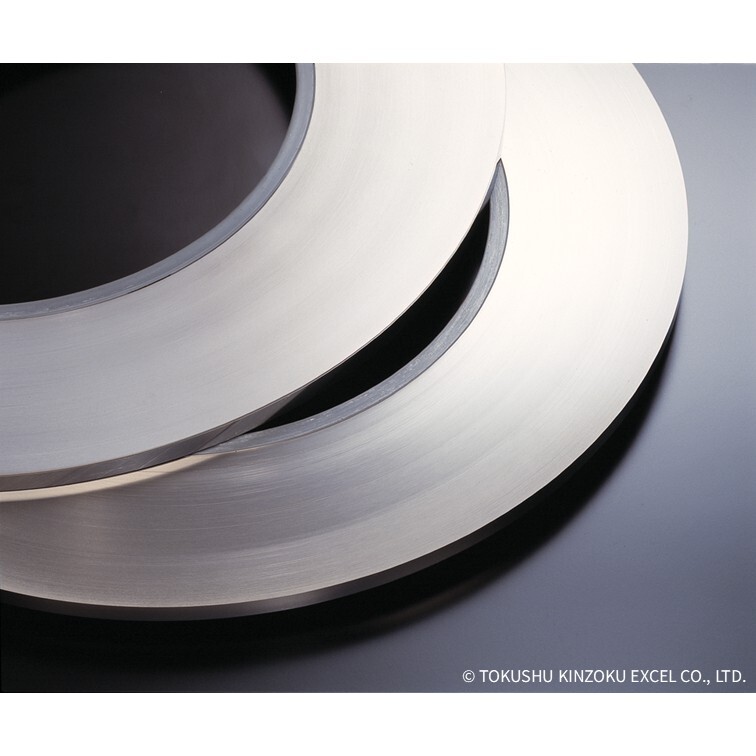
Tell us about your requirement

Price:
Quantity
Select Unit
- 50
- 100
- 200
- 250
- 500
- 1000+
Additional detail
Mobile number
Email

More Products in High Corrosion Resistant Stainless Steels Category
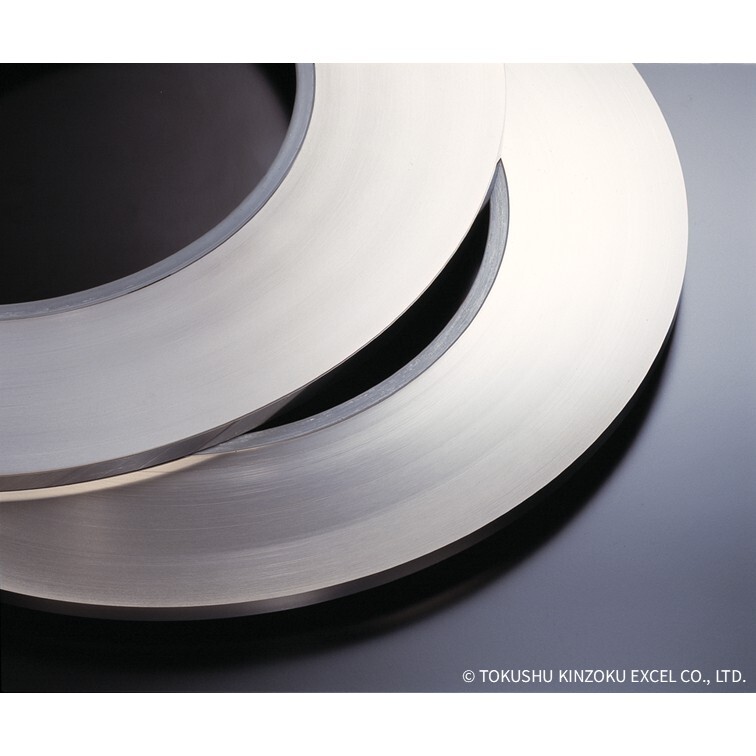
SUS304L - UNS S30403 | High Corrosion Resistant Stainless Steels
Minimum Order Quantity : 100 Kilograms
Temper : BA (Bright Annealed), 2B (Skin Passed), As Rolled (Hard)
Application : Other
Chemical Composition : Refer to the image
Shape : Coil, Sheet
Grade : SUS304L
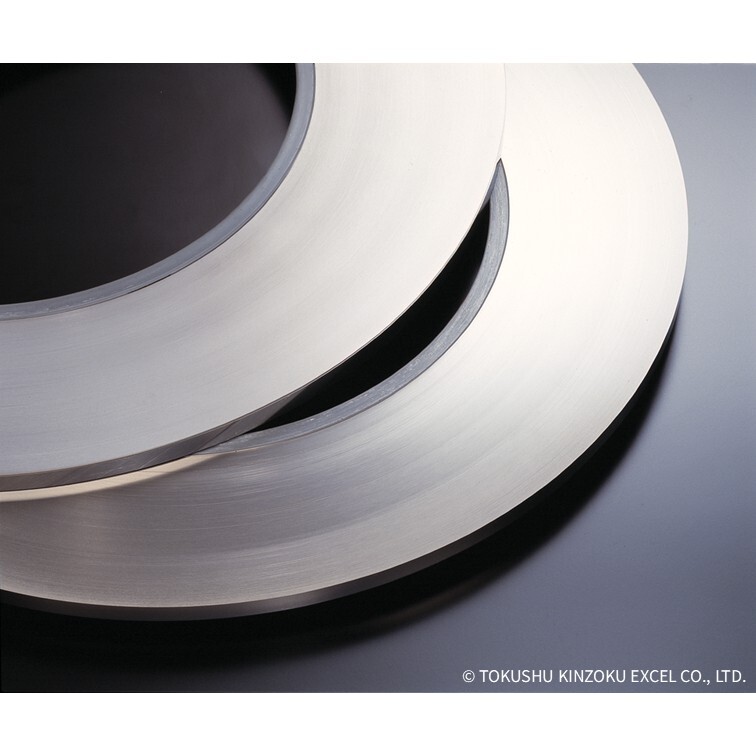
SUS316L - UNS S31603 High Corrosion Resistant Stainless Steels
Minimum Order Quantity : 100 Kilograms
Temper : BA (Bright Annealed), 2B (Skin Passed), As Rolled (Hard)
Application : Other
Chemical Composition : Refer to the image
Shape : Coil, Sheet, Wire, Bar, Pipe
Grade : SUS316L *BIS certified product (IS 6911:2017)

TOKUSHU KINZOKU EXCEL CO., LTD.
Contact Details
- 6F Mejiro Hakubutsukan Bldg., 1-4-25 Mejiro, Toshima-ku,Tokyo - 1710031, Japan
- Phone : +81-3-69129232
- Mr Takao Sueyoshi (Manager)
- Mobile : +817026632377, +817014150872
- Send Inquiry

 Send Inquiry
 |
TOKUSHU KINZOKU EXCEL CO., LTD.
All Rights Reserved.(Terms of Use) Developed and Managed by Infocom Network Private Limited. |
